


In recent weeks, a significant legal and public policy controversy has emerged regarding immigration enforcement and constitutional protections in the United States. Multiple credible news outlets report that a May 12, 2025 ICE memorandum discusses using administrative warrants, including Form I‑205, in a way that may permit ICE personnel to enter residences to execute immigration arrests without a judicial warrant signed by a judge.
This issue gained broader attention after a whistleblower disclosure submitted to Congress and dated January 7, 2026 described the policy as “secretive” and raised concerns that such home entries could conflict with Fourth Amendment standards.
What is an Administrative Warrant (Form I‑205)?
An administrative warrant in the immigration context is typically issued within the executive branch (e.g., by DHS/ICE officials) rather than by a court. In the reporting on this matter, Form I‑205 is described as an administrative immigration warrant associated with enforcement against individuals subject to removal.
The key legal distinction emphasized by many attorneys and legal analysts is that an administrative warrant is not the same as a judicial warrant, which is signed by a judge or magistrate and traditionally required for entry into a private home.
What Do the Reported Documents Say?
According to reporting that cites the contents of the memo, the May 12, 2025 ICE memorandum states that ICE may rely on administrative warrants (including Form I‑205) to arrest certain individuals in their residences, and it describes “knock and announce” procedures and the potential use of “necessary and reasonable” force if refused entry. https://san.com/wp-content/uploads/securepdfs/2026/01/dhs-ice-memo-1-21-26.pdf
Why This Raises Fourth Amendment Questions?
The Fourth Amendment protects “houses” from unreasonable searches and seizures. In mainstream legal understanding, entry into a private home by government agents typically requires either (1) a valid judicial warrant, or (2) voluntary consent, or (3) narrow emergency exceptions. Lawfare’s legal analysis explains that the traditional framework (including Supreme Court precedent such as Payton v. New York) ties home entry for arrests to warrants issued by a judicial officer, and it raises the central question of whether immigration “administrative warrants” satisfy that constitutional role. http://bit.ly/4abB82B
Reason’s reporting and interviews with legal advocates underscore that critics view the policy as constitutionally problematic precisely because administrative warrants are issued within the executive branch, rather than by an independent judiciary.
What Government Spokespersons Have Said?
As reported by major outlets, Tricia McLaughlin, the DHS Assistant Secretary for Public Affairs, defended the May 12, 2025 memo in public statements. In comments published on January 21–22, 2026, McLaughlin said that individuals served with administrative warrants such as Form I‑205 “have had full due process and a final order of removal” and stated that DHS officers issuing these warrants “have found probable cause”, adding that administrative warrants have been recognized in immigration enforcement for decades.
At the same time, the same reporting reflects that critics dispute whether those points resolve Fourth Amendment concerns about home entry, which historically has required a judge’s authorization rather than an agency document.
Why This Matters for Families and Communities?
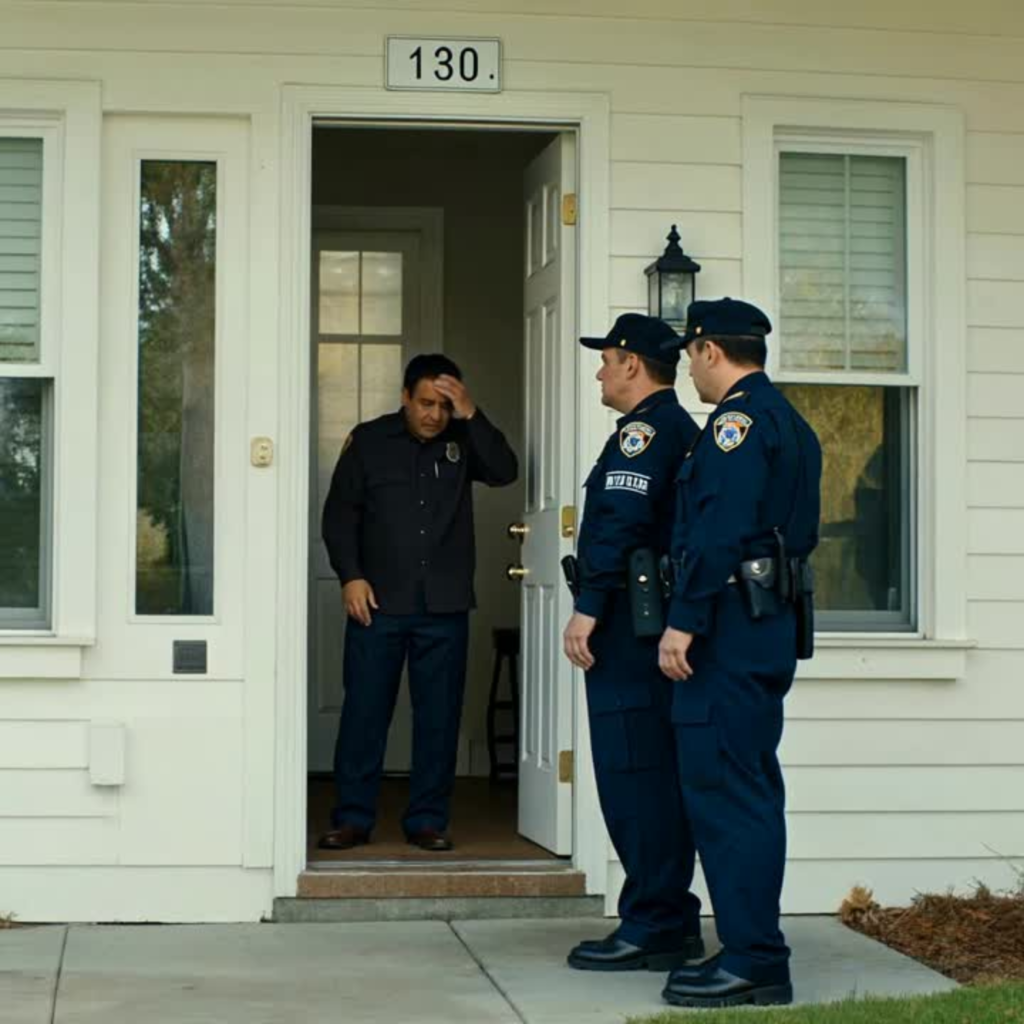
Regardless of ongoing legal debate, these reports highlight the importance of public understanding regarding warrants and consent. News coverage emphasizes that community guidance for years has been: do not open the door or allow entry unless officers present a warrant signed by a judge.
Legal commentary further notes that confusion over the difference between an administrative warrant and a judicial warrant can place families at risk of unintentionally giving consent or misunderstanding what the government can legally do at a residence.
What Has Not Changed?
Whatever internal policies may say, Fourth Amendment doctrine and longstanding practice still center on a clear concept: a judicial warrant is fundamentally different from an administrative warrant, particularly when the question is entry into a private home.
If ICE agents or other officers appear at a residence, many legal organizations and professionals continue to advise that residents should remain calm, ask what type of warrant is being presented, and seek legal counsel before taking action—especially before consenting to entry.
David M. Sperling Law Offices serves the Long Island community through four office locations and provides guidance for individuals and families navigating immigration enforcement issues.
📞 Call (631) 862‑5149 to schedule a consultation.
Legal Disclaimer: This article is an educational legal update based on recent reporting and publicly available documents. It does not provide legal advice and is intended to help readers understand the distinction between administrative and judicial warrants. Reading this update does not create an attorney–client relationship.
JAN
2026
About the Author:
David Sperling has practiced immigration law since 1995, serving the legal needs of immigrants and other low-income communities with four offices on Long Island. Before becoming an attorney, Mr. Sperling worked as a foreign correspondent in Central America, and then later as a journalist for the Miami Herald and Newsday.